
"Arabica coffee regions"
7000 article(s) found

Planting conditions and Regional Distribution of Coffee trees species of Coffee trees planting altitude
Professional coffee knowledge exchange more coffee bean information Please pay attention to the coffee workshop (Wechat official account cafe_style) Coffee planting and geographical distribution climate is the decisive factor in coffee cultivation, coffee trees are only suitable for growing in the tropics or subtropics, so the zone between 25 degrees south and north latitude is generally called coffee belt or coffee area. However, not all the land located in this area

The types and origin of coffee beans introduce what is iron pickup coffee and check the coffee genealogy.
Professional coffee knowledge exchange more coffee bean information please pay attention to the coffee workshop (Wechat official account cafe_style) front street-three major coffee bean species, iron pickup coffee varieties introduction coffee there are three major native species of coffee: Arabica, Robusta, Liberika, because of flavor and planting reasons, the market circulation of only the first two kinds of coffee, namely Arabica and Robusta, the market share

The aroma and throat rhyme of Arabica in the African region of Rwanda continues to be strong and solid characteristic coffee beans.
Rwandan coffee is absolutely high quality in the form of washed Arabica beans. As far as Africa is concerned, its coffee industry stands out because the country rises and falls by producing the best possible beans. The taste of Rwandan coffee is described as a grassy aroma with tropical climate characteristics. The country's fertile soil and climate help plants grow, and coffee trees seem to be driven

Introduction to Arabica Coffee Manor in Bali, Indonesia
Coffee treatment Coffee produced in Java is traditionally washed. Sumatra and Sulawesi are famous for their Indonesian wet planing wet-hulled, which is locally known as Giling Basah. The drying methods in coffee processing vary according to the situation: high-priced bed drying in the awning, balcony drying, roadside drying and other methods are all used. Although the flavor of coffee varies from region to region.

Colombia Hope Manor Coffee Variety Characteristics Fine Coffee Bean Flavor Taste Description
Arabica coffee has a wide variety of flavors. Arabica coffee produced in different regions, altitudes and climates usually has its own characteristics. When unroasted, Arabica coffee smells like grass. After proper roasting, Arabica coffee shows fruity (medium light roast) and caramel sweetness (deep roast). Her excellent flavor and aroma make her

Coffee tasting: what's the difference between Arabica coffee and Roberta coffee? Sumatra, Indonesia
Arabica beans are an important kind of commercial coffee with a period of less than three years and have high-quality aroma and sour taste. Arabica coffee beans are mainly produced in South America (except parts of Argentina and Brazil), Central America, Africa (Kenya, Ethiopia, mainly East African countries), Asia (Indonesia, Yemen, India, Papua New Guinea).
The difference between Yega Sheffield Coffee and Arabica Coffee introduction to the original varieties of Yega Chefe Coffee
Professional coffee knowledge exchange more coffee bean information please follow the coffee workshop (Wechat official account cafe_style) front street-Yega Xuefei introduction as the hometown of coffee, Ethiopia has its own advantages of topography and climate, for example, Ethiopia is dominated by mountainous plateaus, mostly belonging to Ethiopia

The Clean Flavor of Coffee from Godeo, the Outstanding Coffee in the Southern Yegashafi region of Ethiopia
For more information on coffee beans, please follow the coffee workshop (Wechat official account cafe_style) Ethiopia has the most diverse coffee ecosystem in the world (forest coffee, semi-forest coffee, pastoral coffee and plantation coffee), which makes its rich Arabica gene preserved, coupled with multiple treatments of sun, water and semi-washing, showing complexity.

Coffee producing country-Indonesian coffee Indonesian coffee flavor
Brief introduction of coffee producing countries: Indonesian coffee is grown in the Dutch colonial era, coffee cultivation is mainly in large estates, after World War II, experienced the process of nationalization and independence movement, now about 90% of the coffee produced in Indonesia is produced by small farmers. Originally, Indonesian coffee was Arabica, and the leaf rust disaster at the end of the 18th century destroyed Arabica manor.

Is it Robusta or Arabica? Coffee Bean Variety Yega Sheffiko, Ethiopia
Coffee has more than a hundred varieties of coffee, the more common coffee are: Arabica Arabica, outstanding personality, unique flavor, is the main force of boutique coffee, mainly used for coffee shop management and high-end coffee market supply; Robusta Robusta, rough flavor, high caffeine content, not boutique coffee, often used for instant coffee processing and Italian coffee mixed beans. Ethiopia Typi

Description of Golden Manning Coffee Flavor introduction to the regional treatment of manor production
Introduction to the method of regional treatment of manor production in the 17th century, the Dutch first introduced Arabica saplings to Ceylon (present-day Sri Lanka) and Indonesia. In 1877, a large-scale disaster hit the Indonesian islands. Coffee rust destroyed almost all the coffee trees. People had to give up Arabica, which had been in operation for many years.
Taste and Flavor Characteristics of Yunnan Arabica Coffee in Yunnan Guixia Coffee Bean Planting Area
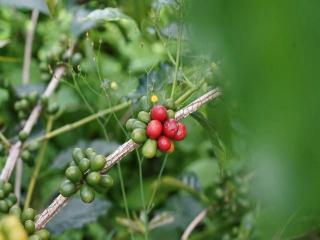
Yunnan rose summer coffee growing environment flavor description characteristics taste processing method producing region fruity flavor and floral elements almost like from the other side of the world, Ethiopia, Africa, Yega Shefi. Of course, that's old news now. Some small farms are getting summer seeds, and eager farmers want to plant them

Characteristics of Latin American coffee beans regional varieties produced by grinding scale treatment
The characteristics of Latin American coffee beans grinding scale to deal with the largest coffee producer, various grades and types of coffee account for 1/3 of the global consumption of coffee, accounting for a place in the global coffee market. Although Brazil faces several times higher natural disasters than other regions, it has enough acreage to make up for it. There are many kinds of coffee here.

Flavor description of Burundian Coffee Taste treatment Variety region Grinding scale
Burundian Coffee Flavor description the regional grinding scale of Burundian coffee varieties the cultivation of Arabica coffee trees in Cameroon began in 1913 with the Blue Mountain Coffee from Jamaica, but the country also produces large quantities of Robbins coffee. The quality and characteristics of Cameroon coffee is similar to that of coffee from South America. The best coffee in the country comes from Bamil in the northwest.

Do you have Arabica coffee in Laos? what are the flavor characteristics of coffee in the Bravin plateau region of Laos?
Harvest season: 2019amp 20 treatment: anaerobic tanning treatment Certification: rainforest Alliance Variety: iron pickup Coffee Grade: Laos CA NAT PR G1 Flavor: black cherries, olives, sweet and delicious, high strength Laos located in Thailand, Vietnam, China, Myanmar and Cambodia between small countries. At the beginning of the 20th century, French colonists introduced coffee to Laos. Today, Laos coffee

Central American coffee beans have unique environmental advantages. This paper introduces the differences and characteristics of coffee in several regions.
They are all distributed in the alpine slopes or plateau areas covered with volcanic ash at an altitude of 1200 meters. The coffee harvest and harvest season is from October to February of the following year. The coffee beans it produces belong to Arabica species, with Pacas and Bourbon brands as the main brands, belonging to big beans, with sweet taste and excellent flavor. El Salvador is also an important producer of organic coffee. Guatemala

Comparison of various Coffee varieties in Fine Coffee
Arabica species VS Robusta species as a crop, tree species and planting environment are the basic factors for the good ring of coffee beans. At present, the coffee beans in circulation in the coffee market are Arabica (Coffea Arabica) or Robusta (Coffea Robusta). Generally speaking, Arabica coffee trees have fragile vitality and low resistance to diseases and insect pests.
Introduction to the origin of Arabica coffee beans introduction to Arabica Coffee Manor
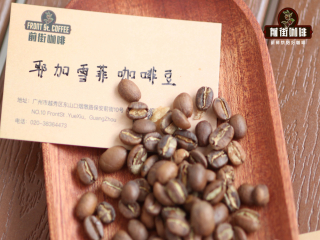
Arabica coffee accounts for 75%, 80%, and its excellent flavor and aroma make it the only coffee that can be drunk directly among these native species. But its resistance to dryness, frost, diseases and insect pests is low, especially the natural enemy of coffee leaf rust, so the producing countries are committed to variety improvement. Sley.

Introduction to the Grinding scale of the Manor with the treatment method in the region of Rwanda Coffee
According to the grinding scale of the treatment manor in Rwanda, there are about 33000 hectares of coffee plantations in Rwanda, with 500000 people engaged in the coffee industry. With the good natural conditions of high altitude and fertile volcanic soil, the country's fertile soil and suitable climate contribute to plant growth, and coffee trees seem to be driven or forced to soar upward, as well as because

The geographical environment of the cultivation of Guatemalan boutique coffee Antigua Arabica coffee
Today, we will study a perfect coffee that combines quality and affordability: Antigua, Guatemala. Guatemala is the second largest coffee producer in Central America and in many ways Antigua coffee beans represent all the best quality that coffee beans in the region have to offer. For those who want to switch from drinking mass-produced coffee to high-end coffee beans, Guatemala Antioch